
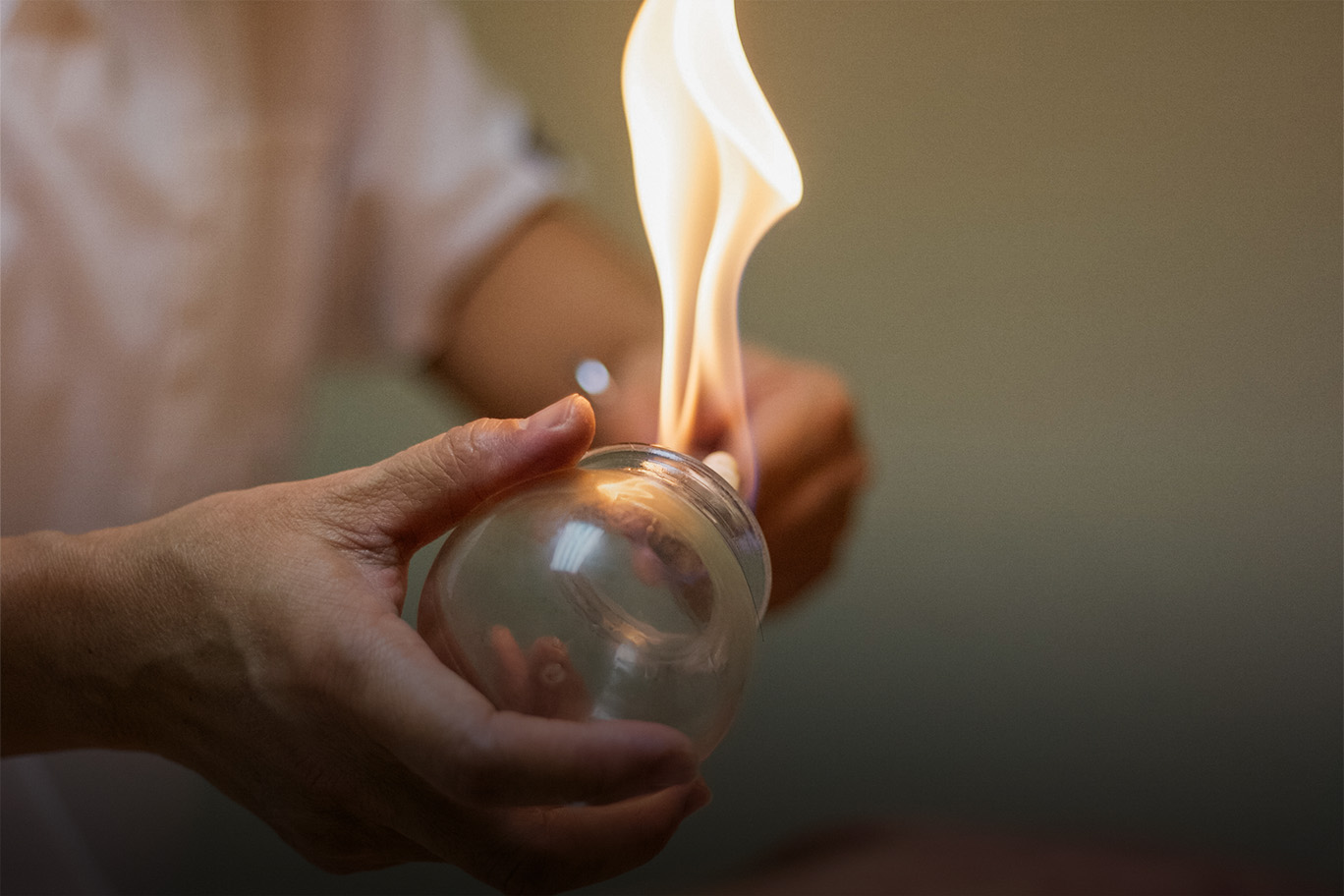
At Riverview Chiropractic Clinic, cupping therapy is offered as part of our approach to musculoskeletal care and soft tissue treatment. Cupping therapy is an ancient treatment technique that has been practiced for thousands of years in various forms of traditional medicine, including Chinese and Middle Eastern medicine. Today, it is commonly used alongside modern manual therapies to help reduce muscle tension, improve mobility, and support recovery from musculoskeletal conditions.
Cupping uses gentle suction created by specialized cups placed on the skin. The suction lifts the skin and underlying tissues, creating a decompressive effect within the muscles and fascia. Unlike massage therapy, which applies pressure downward into the tissues, cupping works by creating negative pressure that gently lifts and separates the tissue layers.
This technique is sometimes referred to as myofascial decompression because it helps reduce tension and restriction within the soft tissues. The increased circulation created by the suction may help improve blood flow to the area, decrease muscular tightness, and promote normal movement and healing responses within the body.
Different cupping methods may be used depending on the patient and treatment goals. Static cupping involves leaving the cups in place for several minutes, while dynamic or “running” cupping involves gently moving the cups along the skin after applying lotion or oil to the area.
During treatment, patients often experience a pulling or tight sensation from the suction, but the treatment should not be painful. After treatment, temporary circular marks or discoloration may appear on the skin where the cups were placed. These marks are a common response to the suction effect and are not considered true bruises. They typically fade within several days to two weeks.
While many patients report relief in muscle tension, pain, and mobility following cupping therapy, research on its effectiveness is still evolving. Current evidence suggests cupping may provide benefits for certain musculoskeletal pain conditions, headaches, and soft tissue dysfunction, though more high-quality research is needed. Cupping is generally considered a complementary therapy and is most often used alongside other evidence-informed treatments and rehabilitation strategies.
Cupping therapy may not be appropriate for everyone. Certain medical conditions, skin conditions, bleeding disorders, pregnancy considerations, or medications may affect whether treatment is recommended. A thorough assessment is completed before treatment to determine whether cupping is appropriate for the patient.
At Riverview Chiropractic Clinic, cupping therapy is integrated with other chiropractic and rehabilitative approaches to support movement, function, and recovery. Treatment is individualized based on each patient’s needs, comfort level, and goals.
clevelandclinic.org/health/treatments/16554-cupping
ncbi.nlm.nih.gov/books/NBK538253/
bannerhealth.com/healthcareblog/teach-me/does-cupping-therapy-really-work


